
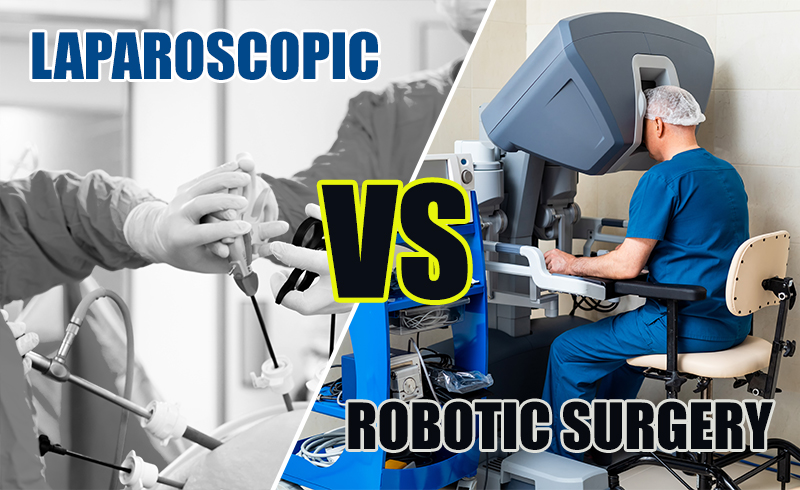
Bariatric surgery has evolved as one of the most effective ways to treat severe obesity. With technological advancements, both procedures have proven to be effective in leading you to a fitter and healthier part with minimum side effects. While both of them can be performed on people with a higher BMI and offer a high success rate, they are not the same. There are a few factors that differentiate the two from each other.
What is Laparoscopic Weight Loss Surgery?
A laparoscopic weight loss surgery is a minimally invasive procedure where the surgeon makes small incisions instead of one large cut, as opposed to traditional bariatric surgery. The method lowers the complications and speeds up the recovery period. The surgeon utilizes a laparoscopic device to perform the procedure. This method is super safe and effective and is considered the gold standard of bariatric surgery for patients looking to lose weight and improve their health.
What is Robotic Weight Loss Surgery?
A robotic weight loss surgery is a more advanced surgical approach to help you lose weight. The surgeon uses a robotic technology, like the Da Vinci Surgical System, to get precision and control while performing the surgery. The use of robotic hands helps them make controlled movements, which ensures a higher success rate and results in fewer complications. Similar to laparoscopic surgery, this procedure is a minimally invasive method where small incisions are made and a camera is used to guide the process.
The robotic arm is more flexible and stable, which enhances the success rate of the procedure. Robotic weight loss surgery leads to more positive outcomes, shorter hospital stay, and faster recovery.
What is the Difference Between Laparoscopic and Robotic Weight Loss Surgery?
Precision
Robotic weight loss surgery offers more precision, owing to the use of advanced technology, whereas there is a higher risk of manual error in laparoscopic surgery because it is done without the assistance of robotic technology.
Flexibility
The use of robotic technology allows the surgeon to be more flexible during the procedure, but the flexibility factor is less in laparoscopic surgery because it is performed by human hand instead of a robot. It makes robotic surgery more flexible than the latter.
Healing
Robotic weight loss surgery allows faster healing because of small incisions and the precision of the work. The recovery time in laparoscopic surgery is comparable. Although the incisions made are small, less precision may lead to a little more time to recover completely.
Pain
Robotic surgery doesn’t lead to any pain or discomfort during or after the surgery. The amount of pain at the time of laparoscopic surgery is slightly higher, but the effects of anesthesia don’t make you anxious.
Risk of Infection
The incision sites in robotic weight loss surgery are smaller, reducing the risk of infection. On the contrary, there may be a slightly higher risk of infection in laparoscopic surgery due to a comparatively large incision site.
Affordability
Robotic surgery is a highly advanced method of bariatric surgery that demands the latest equipment, making it costlier than laparoscopic weight loss surgery.
Availability
Robotic laparoscopic surgery has limited availability because of its high maintenance cost. On the other hand, the availability of laparoscopic surgery is more common because of its affordable nature.
When Should I Opt for Robotic Weight Loss Surgery?
While laparoscopic weight loss surgery is a more widely available and less expensive option to lose weight, there are some cases where the doctor may suggest a robotic weight loss surgery.
- Individuals with previous abdominal surgeries, including adhesions or scar tissue, are more likely to benefit from robotic surgery due to its highly precise nature.
- Robotic weight loss surgery may be advised in case of revision bariatric surgery. The tools used excel in delicate revision operations, ensuring a high success rate and increasing patient safety.
- Cases involving difficult anatomy, such as an unusual shape of the stomach, super-morbid obesity, or challenging tissue planes, should utilize robotic technology for the best results.
When Should I Opt for Laparoscopic Weight Loss Surgery?
Laparoscopic weight loss surgery is an effective method to lose weight, and the doctor may advise you to opt for it in cases when you are not comfortable with traditional bariatric surgery or when the robotic method is too expensive or unavailable for you. It is imperative to choose a skilled and experienced surgeon to perform this surgery for the best outcomes. A skilled surgeon will evaluate your health, goals, and anatomy and recommend the right technique suitable for your unique needs.
Takeaway
Choosing between robotic weight loss and laparoscopic weight loss surgery is not always a clear-cut decision. You can approach making the best choice by considering several factors, including your medical history, your priorities and goals, resources available in the hospital, post-operative support, and how much you are willing to spend. Discuss the pros and cons of both methods with your doctor and make an informed choice after understanding which one aligns with your goals.