
Gastric bypass and gastric sleeve are the two sought-after weight loss surgeries that work in different ways and help you lose weight. Any obese individual is a candidate for these surgeries. Both of them alter the size of your stomach, so that the calorie intake reduces, and it helps you lose weight in the long run.
Read below to find out the differences between them and know which one is the best-suited surgery for you.
What is a Gastric Bypass?
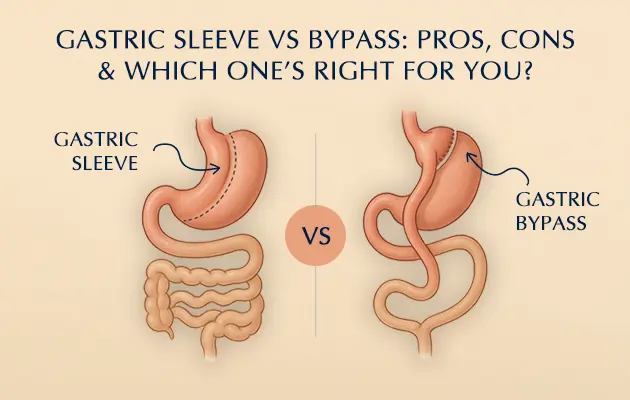
Gastric bypass surgery changes the size of the stomach and the path of digestion. Under this procedure, the surgeon reduces the size of your stomach and reroutes your intestine, which limits the amount of food your stomach can hold. As a result, it reduces calorie and nutrient absorption and helps you lose weight. This procedure also alters gut hormones to reduce hunger pangs and improve feelings of fullness.
Gastric bypass is an effective procedure for patients with severe obesity or those who have been struggling with type 2 diabetes for a long time.
Pros:
- With the help of a gastric bypass, you tend to lose weight more quickly than with any other form of bariatric surgery.
- As per the reports, people often end up losing 70-80% of their total excess weight within a year of the surgery. That said, it depends on how well you follow the doctor’s instructions in terms of diet and lifestyle management.
- With gastric bypass, you may notice improvements in other weight-related conditions, especially type 2 diabetes.
- Gastric bypass is equally effective in reversing other health conditions, such as hypertension, sleep apnea, and acid reflux.
- Gastric bypass is a relatively safe procedure with only 3-4% chances of complications.
Cons:
- People who undergo gastric bypass often complain about dumping syndrome, a condition that results in nausea, vomiting, diarrhea, and flushing.
- Gastric bypass results in vitamin and mineral deficiencies, and you are made to take lifelong supplements.
- While the risks are low, there is a higher chance of surgical complications with a gastric bypass. It includes leaks and infections.
What is Gastric Sleeve?
Sleeve gastrectomy, also known as the gastric sleeve, involves removing a large portion of your stomach and reshaping the existing portion into a narrow tube. Unlike gastric bypass, this procedure doesn’t reroute the intestine. The digestion follows a normal path, with the stomach size turning smaller than before.
This procedure reduces the stomach capacity significantly and lowers hunger hormones, which helps in controlling your appetite. Gastric sleeve is a suitable procedure for individuals who want to opt for a steady and sustained weight loss process.
Pros:
- The gastric sleeve is considered the safest form of weight loss surgery because it is simpler than its counterparts.
- The surgery doesn’t work in speeding up digestion or affecting the body’s ability to absorb vitamins and nutrients. Thus, it is less likely to cause digestive issues.
- Gastric sleeve is an effective weight loss procedure in which a patient may end up losing 60-70% of the total excess weight.
- This surgery may reduce the symptoms of other weight-related conditions, including heart diseases, type 2 diabetes, obstructive sleep apnea, liver disease, gallbladder disease, and some forms of cancer.
- If you don’t experience health improvements after this surgery, the surgeon may change it to a gastric bypass.
Cons:
- A gastric sleeve doesn’t help you lose weight as quickly as a gastric bypass.
- The procedure may lead to acid reflux as it increases the pressure on the lower esophageal sphincter.
- With a gastric sleeve, there may be chances of long-term complications, including gastroesophageal reflux disorder (GERD.
Gastric Bypass vs. Gastric Sleeve: How are they Different?
- Surgical Method: The surgical method in gastric bypass involves changing the stomach size and rerouting the intestines. The gastric sleeve is only concerned with reducing the stomach size.
- Weight Loss Results: The weight loss results in gastric bypass are faster and higher than those of the gastric sleeve.
- Effect on Diabetes: Gastric bypass is a highly effective procedure for diabetes control, whereas gastric sleeve may improve liver health, gallbladder health, and other conditions over time.
- Reversibility: Gastric bypass is a permanent procedure, and it is impossible to reverse it. On the other hand, the gastric sleeve can be reversed in case it doesn’t deliver positive outcomes.
- Suitability: Anyone with severe obesity and related medical conditions who also needs significant metabolic improvement may opt for gastric bypass. A gastric sleeve may be suitable for you if you prefer a less complex procedure and have fewer medical complications.
Which Procedure is the Best for Me?
To choose one between the two, you must consider some essential factors, such as your overall health, weight loss goals, and your expectations from the procedure. Both surgeries require dedicated post-operative care, and you must be committed to taking care of your body as required. Another essential factor to consider while making a choice is the skill of the surgeon.
Takeaway
Both gastric bypass and gastric sleeve are effective bariatric procedures with life-changing results. You should discuss the pros and cons of each method with your doctor and make an informed choice after considering essential factors like your age, overall health, expectations, budget, and commitment to post-operative care.