Weight loss surgery, commonly known as bariatric surgery, has evolved exponentially in the last few decades. Earlier, only traditional bariatric surgery was performed by surgeons to help you lose weight. It involved large incisions, longer hospital stays, and careful pain management. However, in recent years, many new advanced procedures have been introduced.
The latest evolution in the field of bariatrics is robotic bariatric surgery. As the name suggests, this technique involves an advanced robotic system to offer surgeons better precision, versatility, and control in the surgery. The results are more precise, ensuring a high success rate and less post-operative pain management.
Owing to its advanced design, robotic bariatric surgery results in minimal incisions, minimal blood loss, and minimal trauma to the adjacent tissues.
How Robotic Bariatric Surgery Differs from Laparoscopic Bariatric Surgery?
Before robotic bariatric surgery, surgeons across the country would use laparoscopic or keyhole surgery—another minimally invasive technique that involves small cuts instead of a large incision. Robotic bariatric surgery is also a minimally invasive procedure, but it adds a layer of technology, allowing better precision, flexibility, and control.
What are the Benefits of Robotic Bariatric Surgery?
- Robotic bariatric surgery utilizes robotic technology that ensures precise movements, particularly beneficial while performing critical steps during the operation, such as suturing or cutting.
- This procedure involves making smaller incisions that result in faster recovery, less scarring, and less pain compared to other forms of surgery.
- As the incisions are smaller, there is a reduced risk of infections or other wound-related complications.
- Compared to other surgeries, the hospital stay in robotic bariatric surgery is shorter.
- For patients with a history of abdominal surgeries or other complications, the robotic system offers better maneuverability, making it easy to perform surgery without any risk.
Is Robotic Bariatric Surgery a Safe Option for Losing Weight?
Robotic bariatric surgery has been extensively researched and studied by medical experts. This procedure is considered safe for most patients. The following factors make it a safer alternative to other procedures.
- According to various studies, robotic bariatric surgery has lower complication rates than laparoscopic or open bariatric surgery.
- The robotic system used in this procedure allows for better precision. It can make small, controlled movements that minimize the risk of damage to the surrounding tissues. Such reduced trauma helps with faster healing.
- Robotic bariatric surgery is considered particularly helpful for patients with previous abdominal surgery or who have a high body mass index.
- Robotic systems can only be used by surgeons who have undergone special training. This factor makes this surgery extra safe in case of complex cases.
What Factors to Discuss with the Surgeon before Robotic Bariatric Surgery?
If you are planning to opt for robotic bariatric surgery, you must discuss the following with the surgeon to make an informed decision:
- Your medical history, including previous surgeries.
- Any current health condition, such as heart problems or diabetes.
- The experience of the surgeon in handling robotic bariatric surgery cases.
- The cost of the surgery.
- Whether the insurance covers hospital charges and other paperwork associated with the surgery.
How to Prepare for Robotic Bariatric Surgery?
Before the procedure, the surgeon will inspect your medical history and conduct a physical assessment to rule out any problems that may affect the results of the surgery. If you are a suitable candidate, they will lay down some instructions, such as avoiding alcohol and smoking for a few weeks before the surgery and losing some weight.
Do not eat or drink for at least 6-8 hours before the surgery to avoid complications from anesthesia. Ensure you bring a family member to perform paperwork and other formalities, and help you with the discharge.
How is Robotic Bariatric Surgery Performed?
- The surgeon will administer general anesthesia so you don’t feel pain or discomfort throughout the procedure.
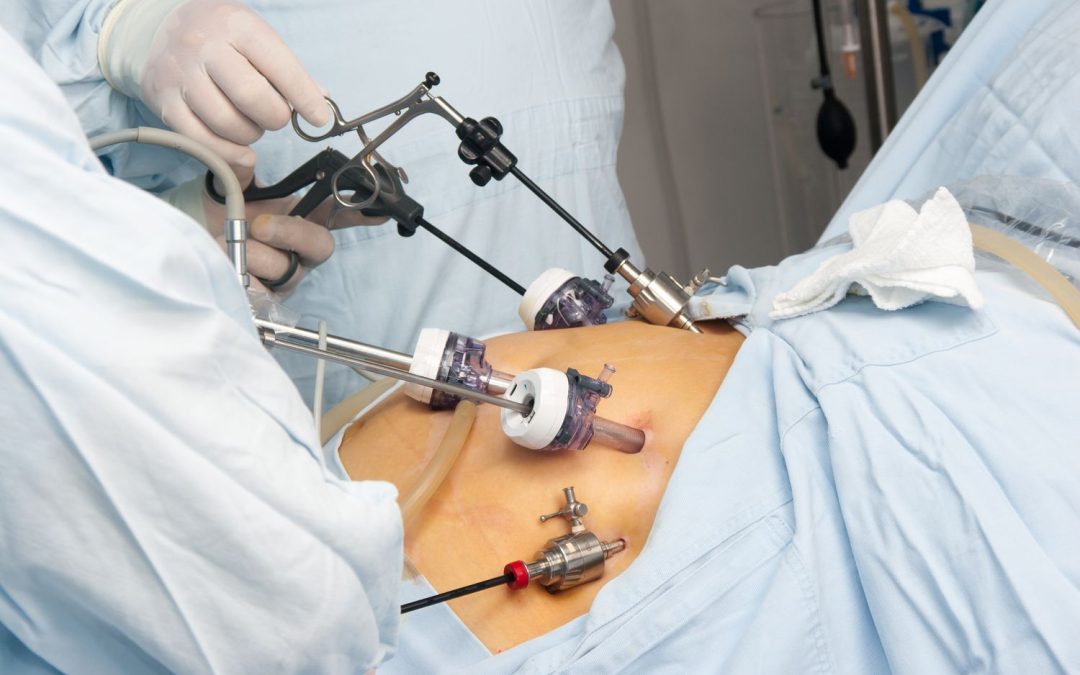
- They will make small incisions in the abdomen through which trocars are placed. It will allow the entry for robotic arms, instruments, and an HD 3D camera.
- Once the trocars are set, they will attach system docks and arms to the access points and move the console station to control the robotic arms using hand and foot controls.
- Using the robotic arm, the surgeon will make precise movements to perform the surgery. It includes resizing the stomach.
- Once the procedure is completed, the instruments will be removed, and the incisions will be closed with staples or sutures.
After the procedure, the surgeon will give you care instructions to follow. They include resting enough, eating a liquid diet for the first few days, and managing pain through medication and other options. Ensure you follow up with the surgeon from time to time to maintain the results of the surgery.
What is the Future of Robotic Bariatric Surgery?
Robotic bariatric surgery has a promising potential of offering the best results to patients. This advanced method ensures a high success rate, better precision, and quick recovery, making it a sought-after option for patients who hesitate in opting for traditional surgery due to the fear of pain and extended hospital stay.
It is anticipated that future advancements in robotic technology will make this procedure safer and more successful. With ongoing innovation, this surgery will become more accessible to patients with long-term management needs.
Takeaway
If you have a BMI of 35 or higher and are looking for a safer option to lose weight, consider robotic bariatric surgery as a sought-after solution. With promising results and a high success rate, the future of robotic bariatric surgery seems bright.