
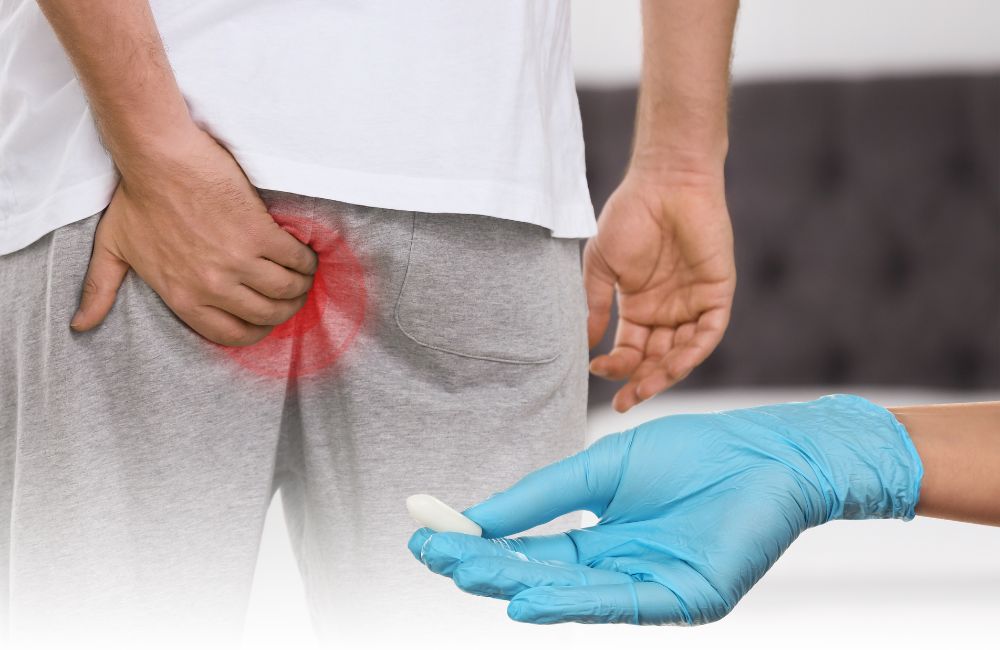
Haemorrhoids, also known as piles, refer to engorged and inflamed blood vessels that develop near the lower rectal region around the anus. Many factors contribute to this condition, but the main cause is excessive pressure on the veins located in this area. The doctor may suggest medication at the early stages. However, when piles reach their advanced stage, they may recommend surgical intervention to treat the problem.
Undergoing piles surgery is a significant step to improve your quality of life. After the surgery, the doctor will give you detailed instructions that you must follow to ensure a smooth recovery and avoid the recurrence of this condition.
Here are the top mistakes to avoid after piles surgery:
Not Paying Attention to Immediate Care
Immediate care plays a crucial role in recovery after piles surgery. It is expected that the procedure may lead to some level of discomfort, pain, and swelling. You may also bleed for some time after the surgery. It is when the importance of care is observed.
Many people ignore immediate care. Once discharged from the hospital, they overlook all the care instructions imparted by the doctor and their team, which adds insult to injury. It is vital to follow their prescribed medication and recommendations regarding pain management.
Ignoring Dietary Changes
After your piles surgery, the doctor or their team will give you dietary recommendations. These include incorporating some food items and avoiding eating others. While some patients take these dietary instructions seriously, others ignore them, which takes a toll on their recovery.
You must avoid eating certain foods after piles surgery as they tend to increase the risk of this condition and may even worsen the recovery stage. Avoid foods that have a high content of fats or carbohydrates. Do not consume meat, fish, eggs, or foods that are extremely spicy. Your doctor will also suggest that you cut down on the consumption of caffeinated and carbonated drinks and alcohol.
Not Consuming Fiber
One of the most common mistakes people make after piles surgery is not consuming fiber. Fiber is an important nutrient that helps with smooth bowel movements. During the recovery stage, it is important to regulate your bowel movements and avoid constipation.
Fiber helps to soften the stools. It is plentiful in many fruits and vegetables, and you must add it to your diet. The doctor will give you fiber supplements. In addition to fiber, ensure you drink proper amounts of water throughout the day, as it will be more effective in aiding smooth digestion.
Sitting in a Sedentary Position for Too Long
Sitting in a sedentary position for a long time is another common mistake many people make after their surgery. If you are in a job that doesn’t allow you to change your sedentary position, you must take breaks. Sitting for an extended time may increase pressure on the rectal area and interrupt the recovery process.
You must stand and stretch after sitting for long hours. Allow yourself a short walk indoors every hour to ensure proper blood flow.
Avoiding Hygiene
After your piles surgery, it is vital that you maintain proper hygiene, or else you might invite unwanted bacterial growth and infection. Many patients ignore signs of hygiene only to later bear the brunt.
After each bowel movement, you must use a gentle wipe or a wet cloth to clean the area. It acts better than toilet paper in soothing the area and doesn’t irritate it. Also, using a wet cloth or water to wash off the area keeps you cleaner. In addition, do not miss using a prescribed topical ointment on the wound to promote healing.
Rushing to Resume Normal Activities
After a piles surgery, many patients start thinking about getting back to their routine and activities as soon as possible. Not paying attention to complete recovery is one of the biggest mistakes. After the surgery, the timeline for resuming physical activities is different for all. Some patients may take two weeks, others may take longer.
Do not rush into resuming your routine and give yourself enough time to recover completely. Instead of rushing, the process of resuming your activities should be gradual. Avoid running or weightlifting for at least a month after surgery.
Not Attending Follow-Up Appointments
The recovery from the surgical treatment of piles is quite smooth. That said, there may be rare cases of severe pain, excessive bleeding, or signs of infection, including swelling, redness, and fever. These signs indicate complications and require a visit to the doctor.
Instead of self-medication, rush to your doctor and discuss these signs. Seek guidance from them if you have been experiencing worsened bowel movements. Follow-up appointments are crucial to ensure everything remains smooth even after recovery.
Takeaway
After your piles surgery, you must listen to all the instructions and advice of the doctor and ensure not to commit the above-listed mistakes. When you follow their instructions, it leads to a sustainable recovery outcome.